Peintures
Depuis 2020, Antoine Roegiers développe avec À L’OMBRE DES NUAGES un vaste récit pictural en constante évolution. Conçue comme une histoire ouverte, la série se construit de tableau en tableau, sans chronologie stricte ni dénouement défini. Chaque peinture forme une scène autonome tout en participant à un même univers, peuplé de figures masquées, d’animaux, de paysages désertés et de phénomènes naturels.
Nourri par la tradition de la peinture flamande, de Pieter Bruegel à James Ensor, Roegiers en transpose l’imaginaire dans un monde contemporain où se mêlent humour, gravité et poésie. Incendies, tempêtes, forêts, processions et paysages en transformation composent un théâtre à la fois familier et étrange, traversé par les bouleversements de notre époque. L’humain y apparaît tour à tour absent, désorienté ou absorbé dans une étrange parade, tandis que la nature et les animaux deviennent les témoins silencieux d’un monde instable.
La série se déploie comme une allégorie ouverte de notre époque, évoquant les crises écologiques, la fragilité de nos sociétés et la perte de repères collectifs sans jamais imposer une lecture unique. Les scènes oscillent entre catastrophe et contemplation, inquiétude et émerveillement, laissant toujours une place à l’ambiguïté et à l’imaginaire.
Ce récit pictural se prolonge également dans l’animation. Les tableaux prennent vie, les personnages se déplacent et les paysages se transforment : ce qui demeure suspendu dans la peinture se déploie alors dans le temps. Peinture et image en mouvement participent ainsi d’un même récit, en perpétuelle transformation.
Since 2020, Antoine Roegiers has been developing À L’OMBRE DES NUAGES, an expansive pictorial narrative in constant evolution. Conceived as an open-ended story, the series unfolds from painting to painting, without a strict chronology or predetermined conclusion. Each work stands as an autonomous scene while remaining part of the same universe, inhabited by masked figures, animals, deserted landscapes, and natural phenomena.
Drawing on the tradition of Flemish painting, from Pieter Bruegel to James Ensor, Roegiers transposes this visual heritage into a contemporary world where humor, gravity, and poetry intertwine. Fires, storms, forests, processions, and shifting landscapes form a theatre that is both familiar and strange, permeated by the upheavals of our time. Human figures appear by turns absent, disoriented, or absorbed in a strange parade, while nature and animals become silent witnesses to an unstable world.
The series unfolds as an open allegory of our time, evoking ecological crises, the fragility of our societies, and the loss of collective bearings without imposing a single interpretation. The scenes oscillate between catastrophe and contemplation, unease and wonder, always leaving room for ambiguity and imagination.
This pictorial narrative also extends into animation. The paintings come to life, characters begin to move, and landscapes transform: what remains suspended in painting unfolds through time. Painting and moving image thus become part of the same narrative, continually evolving and transforming.
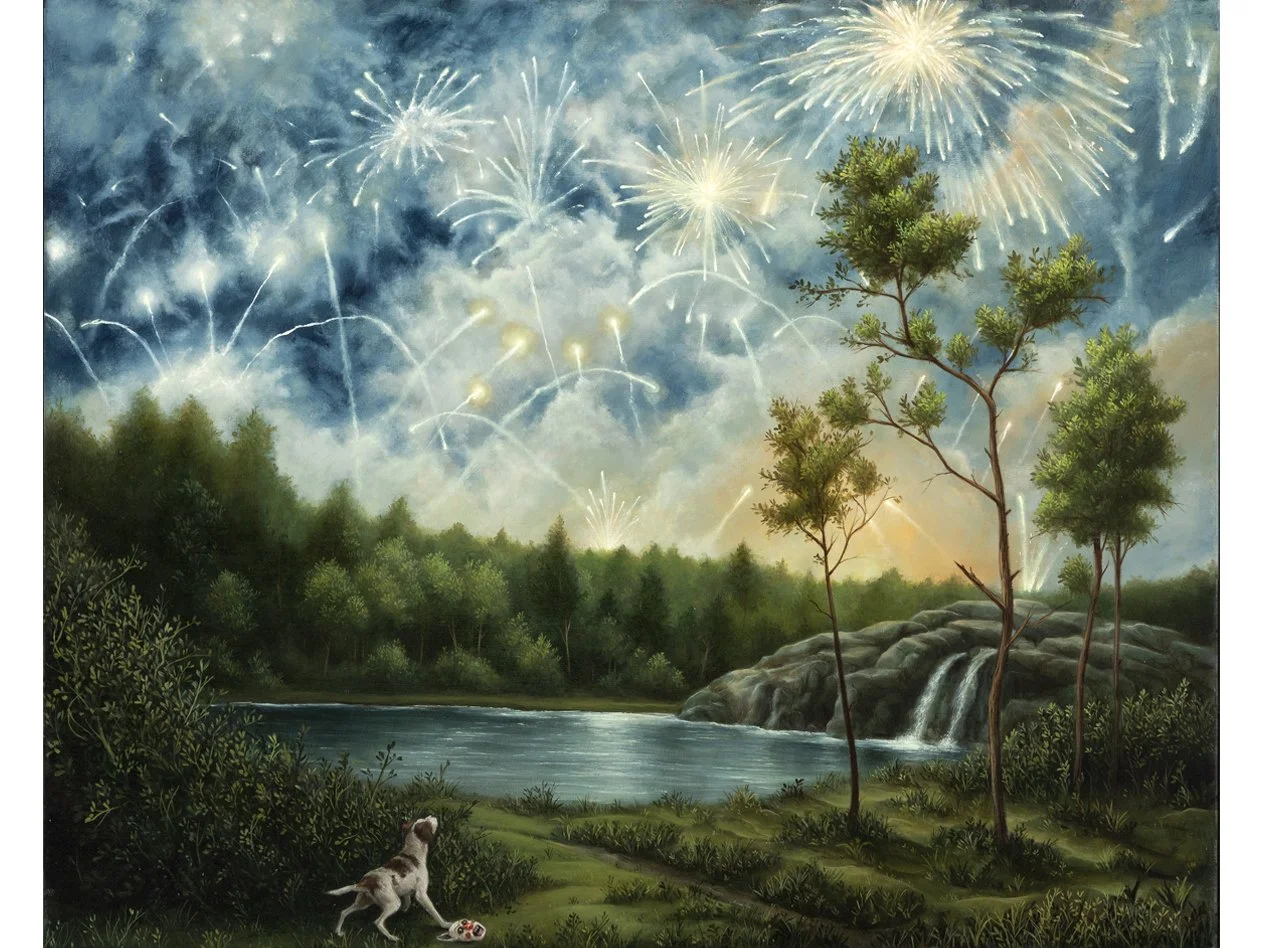
2026
oil on canvas
81 x 100 cm
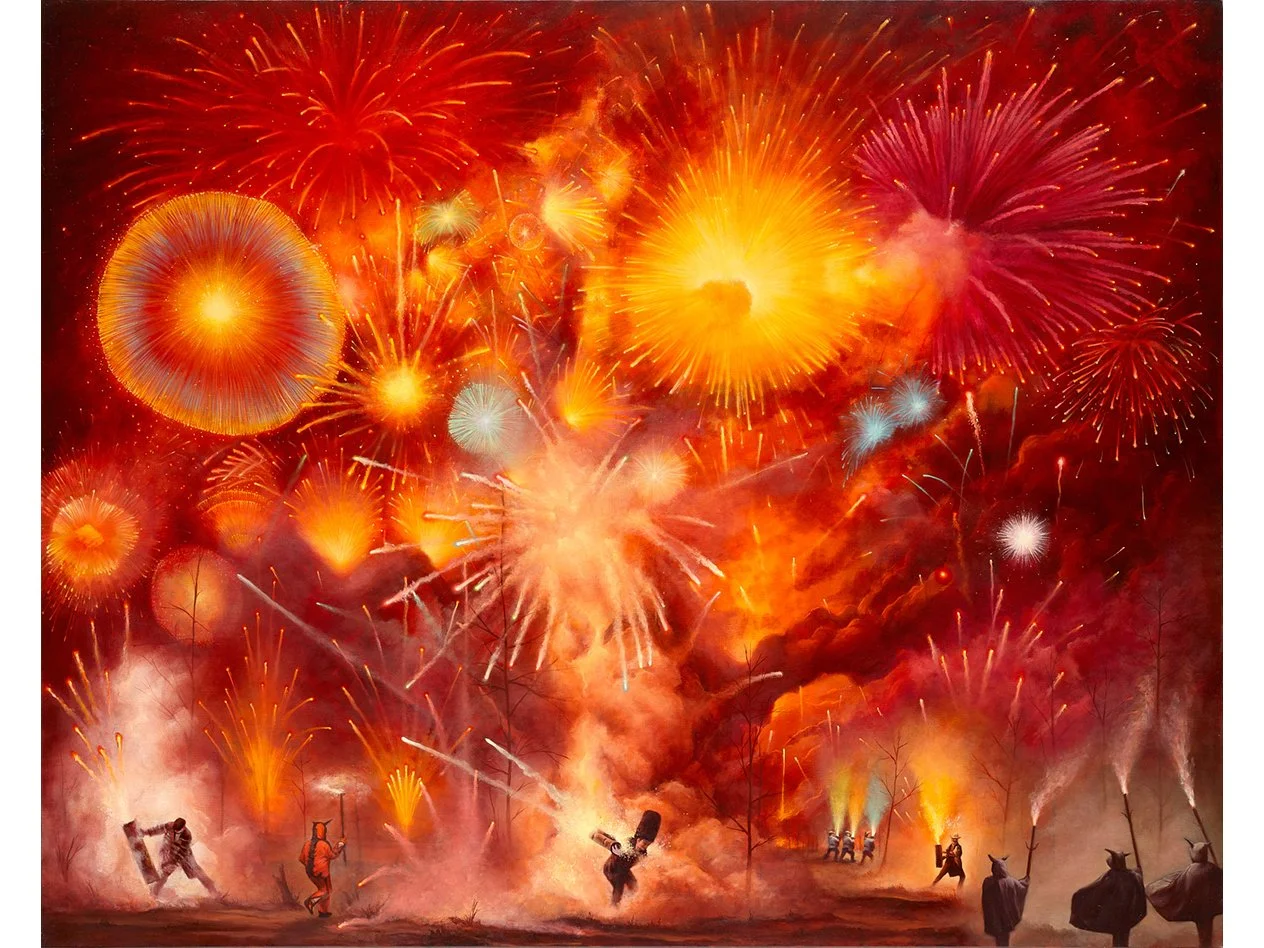
2025
oil on canvas
130 x 162 cm
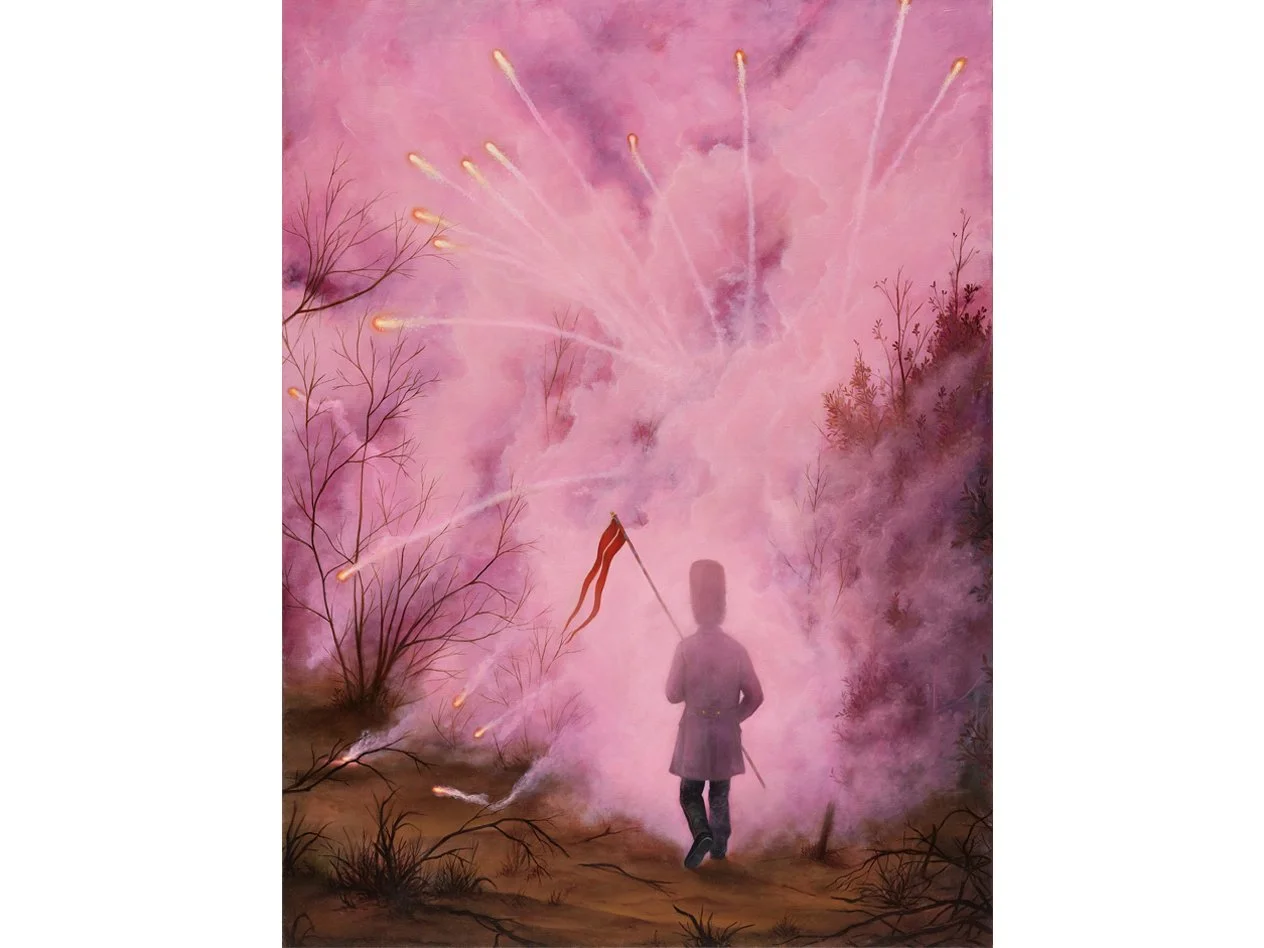
2025
oil on canvas
130 x 97 cm
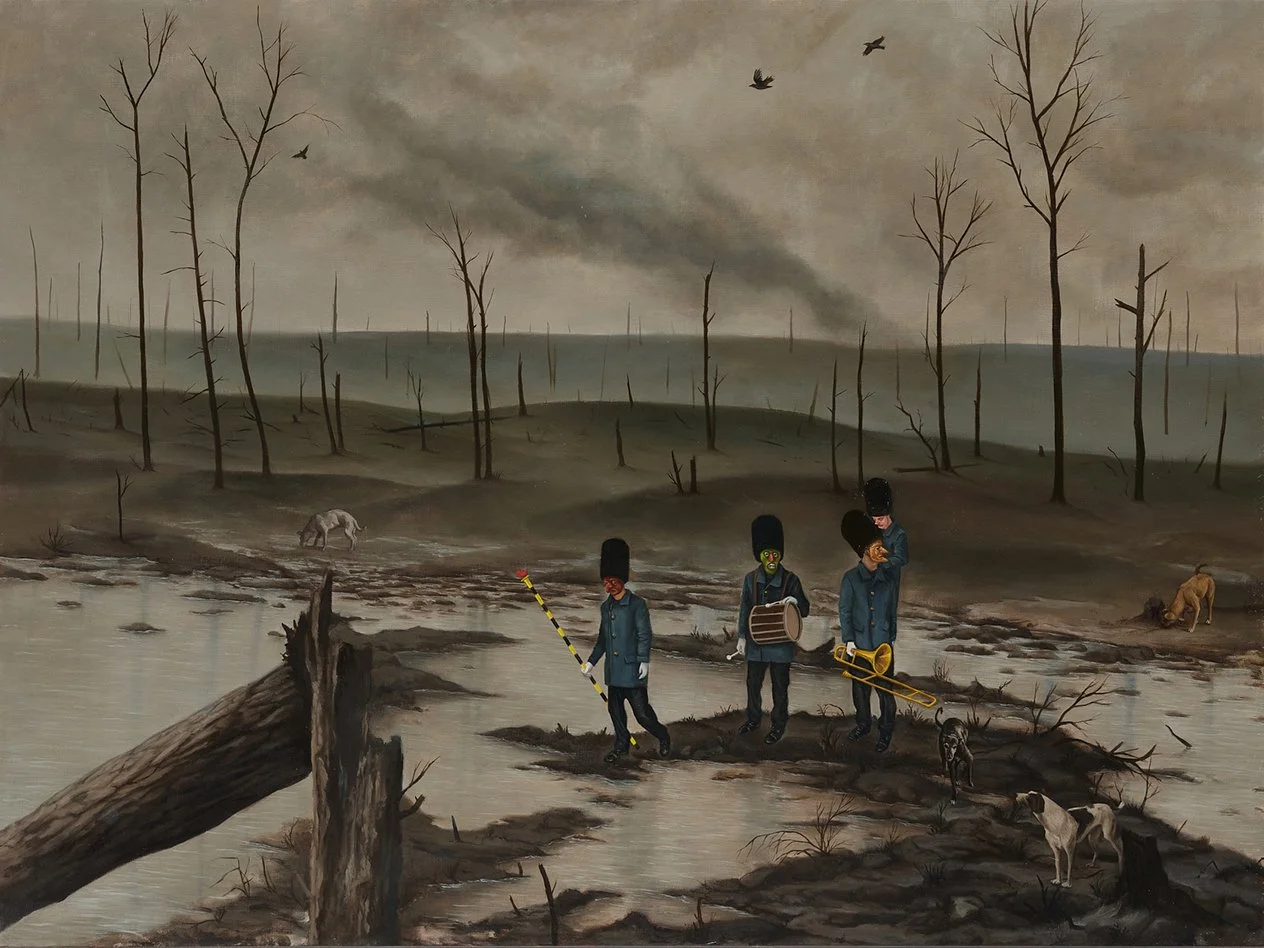
2025
oil on canvas
97 x 130 cm
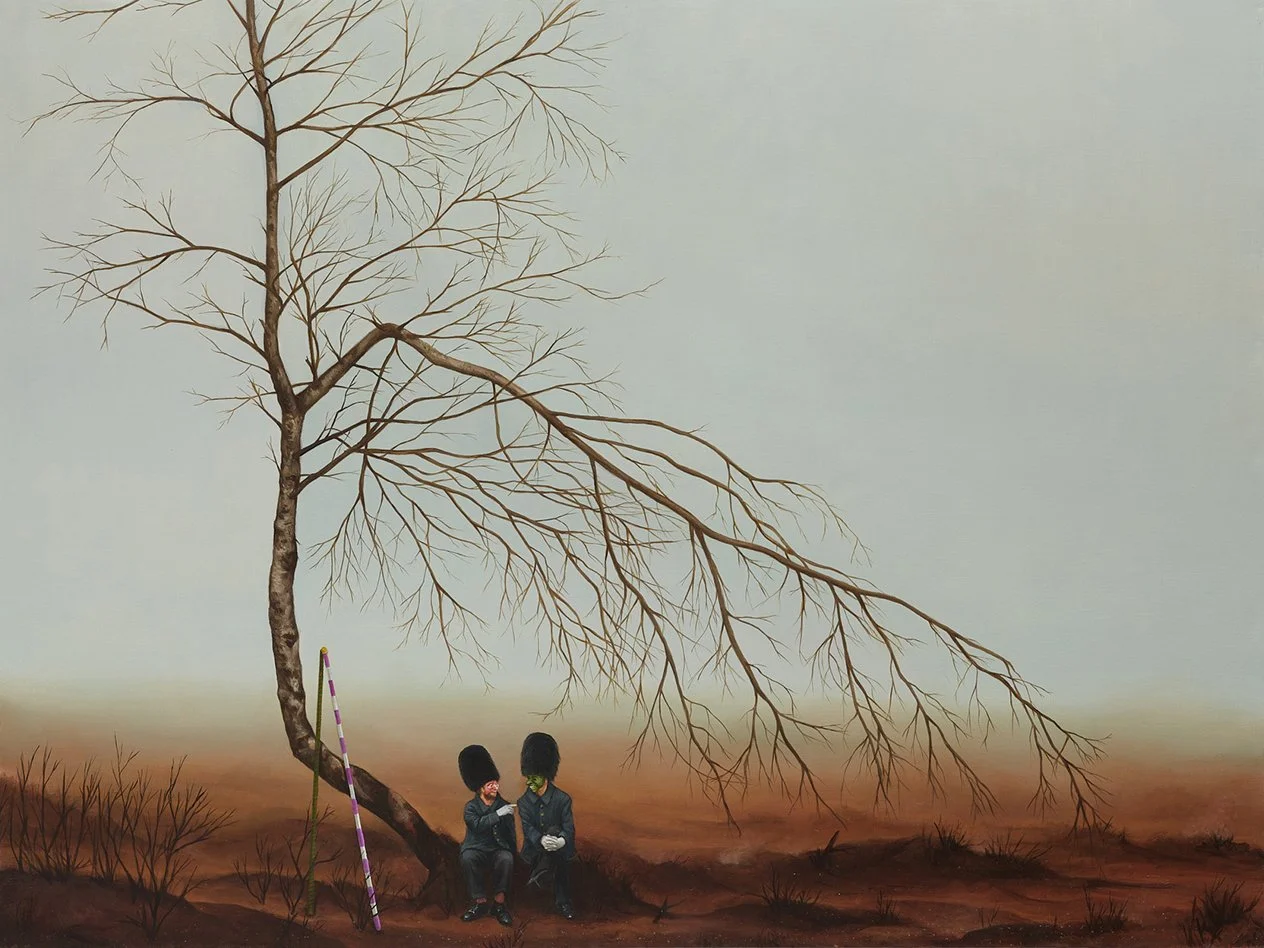
2025
oil on canvas
97 x 130 cm
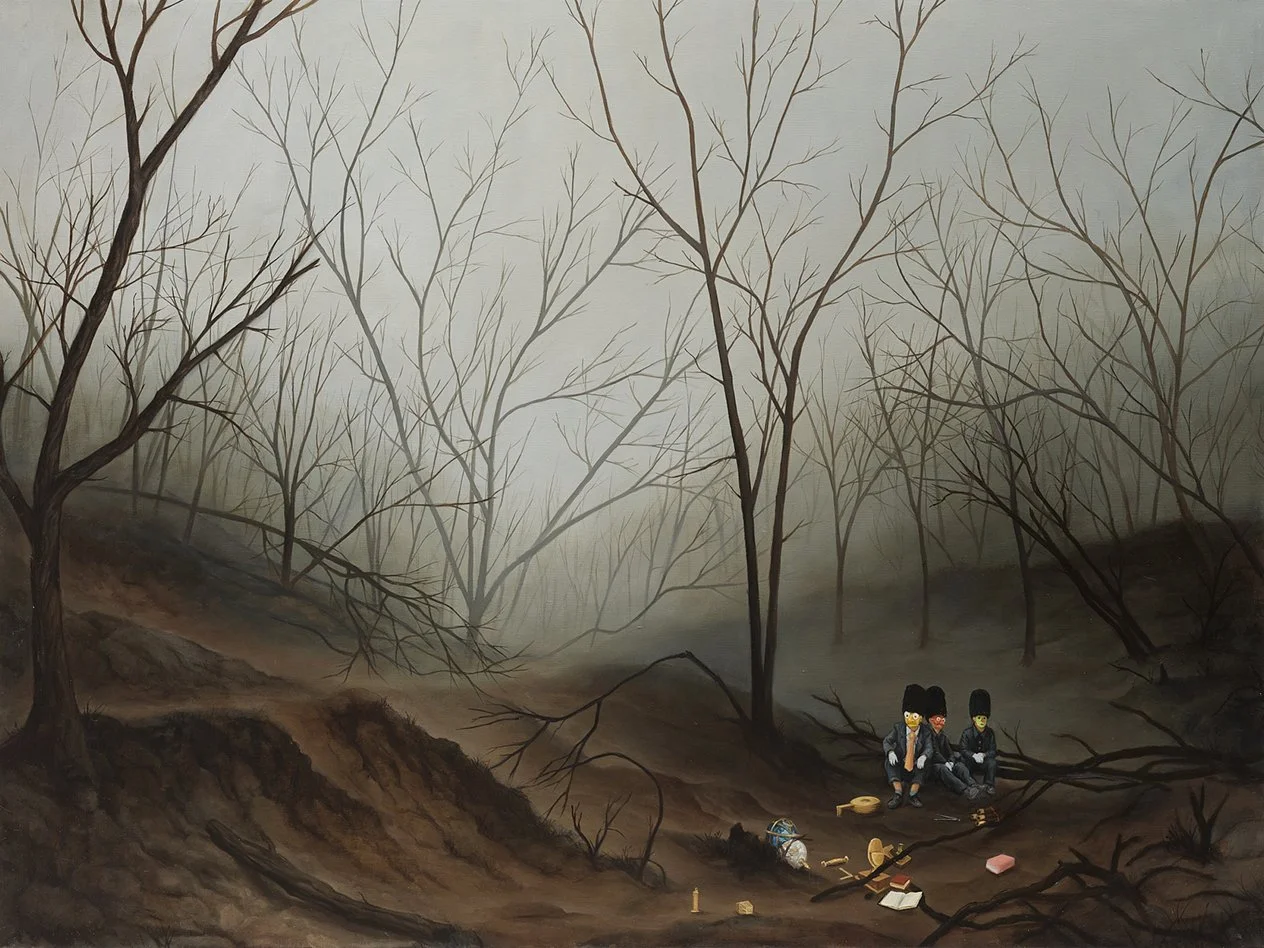
2025
oil on canvas
97 x 130 cm
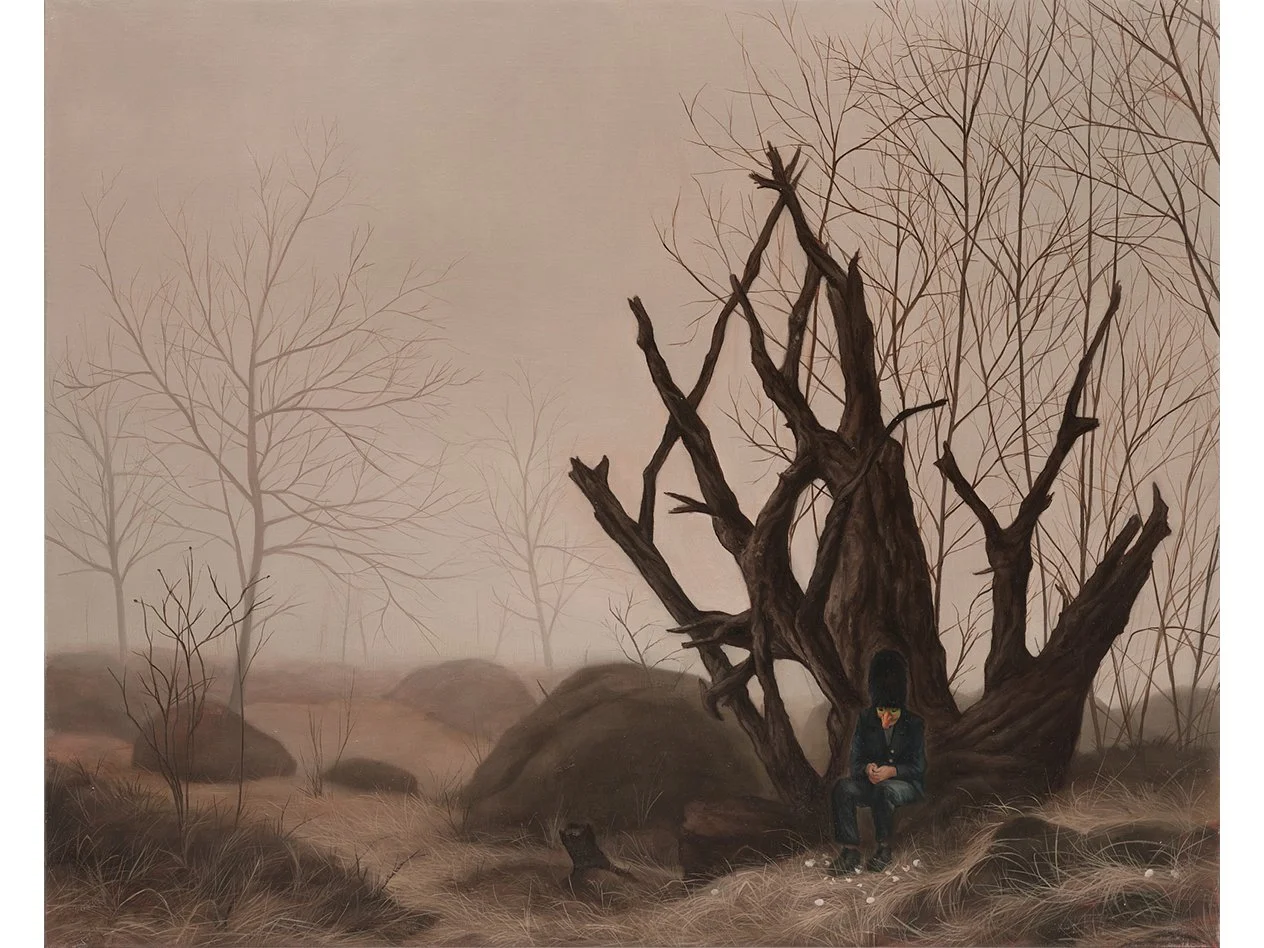
2025
oil on canvas
81 x 100 cm
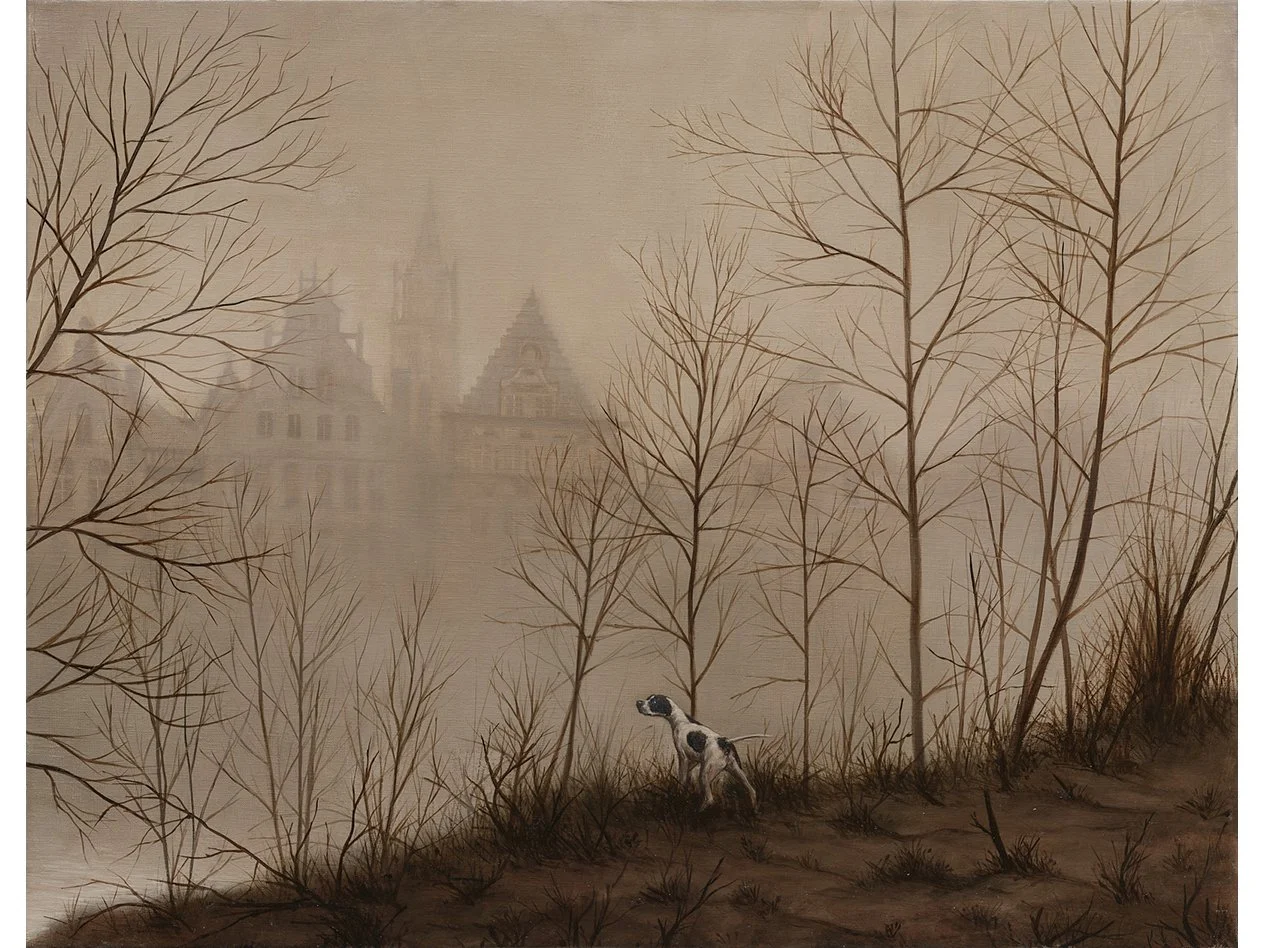
2025
oil on canvas
55 x 70 cm
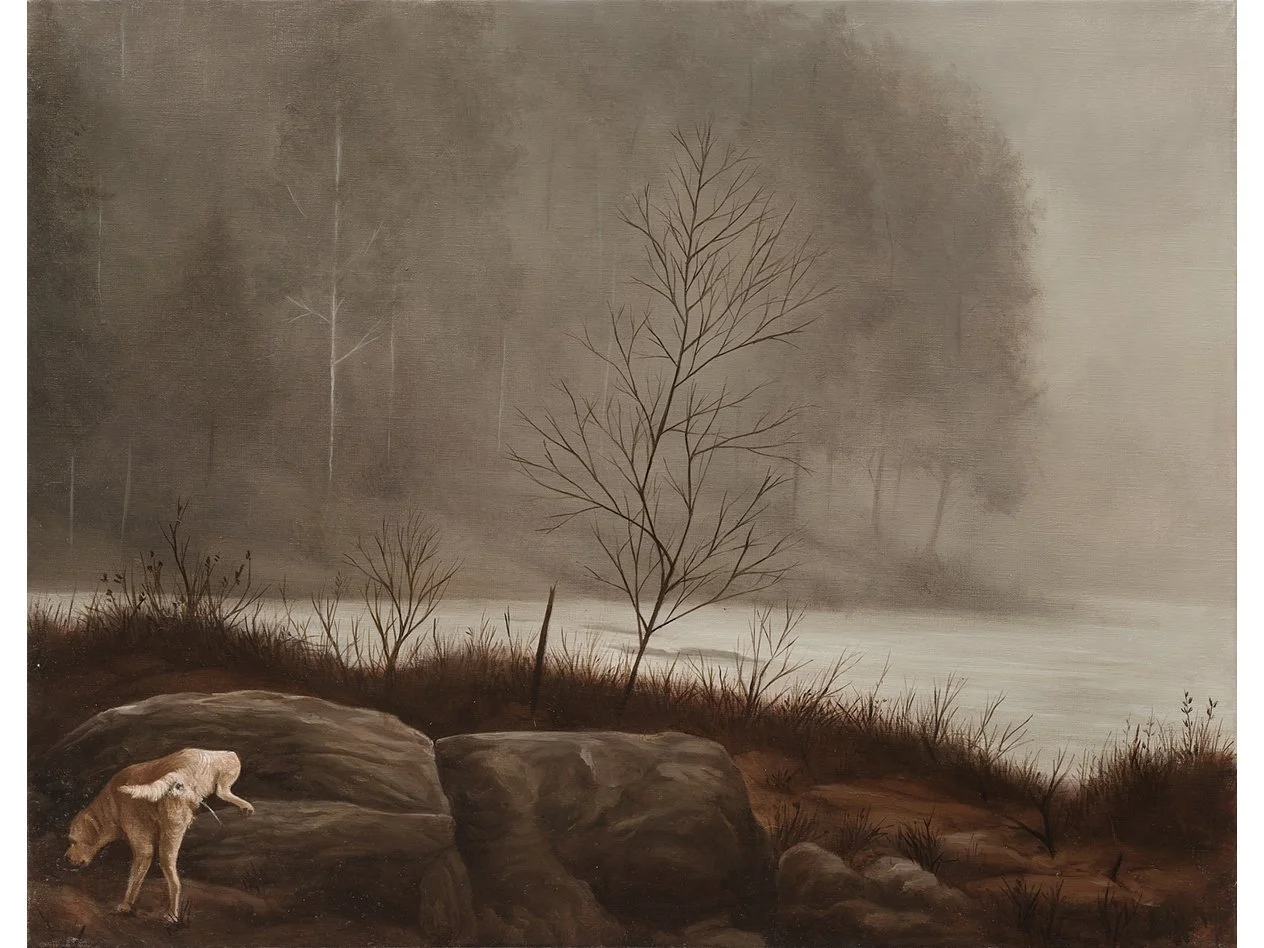
2025
oil on canvas
55 x 70 cm
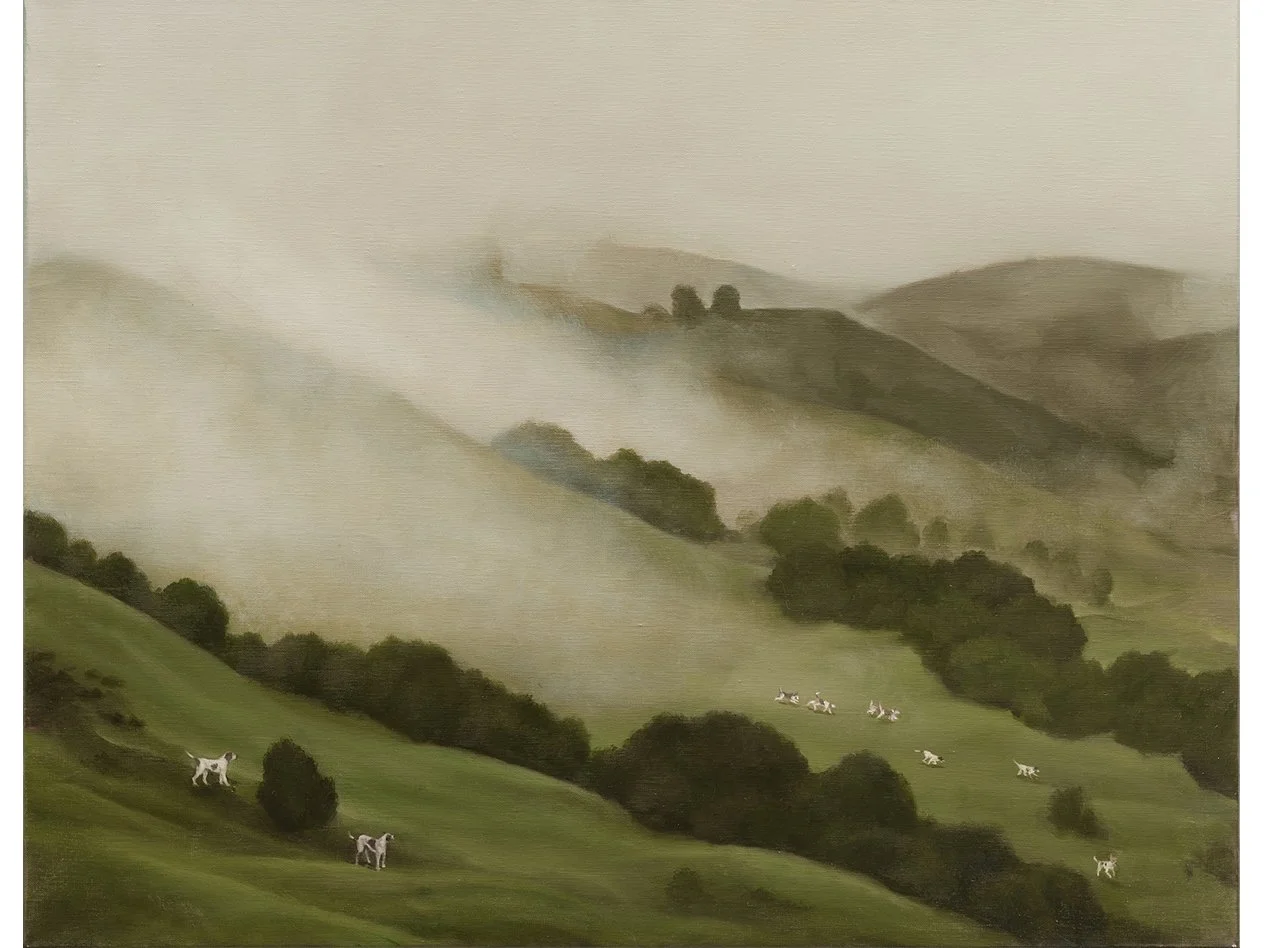
2025
oil on canvas
55 x 70 cm
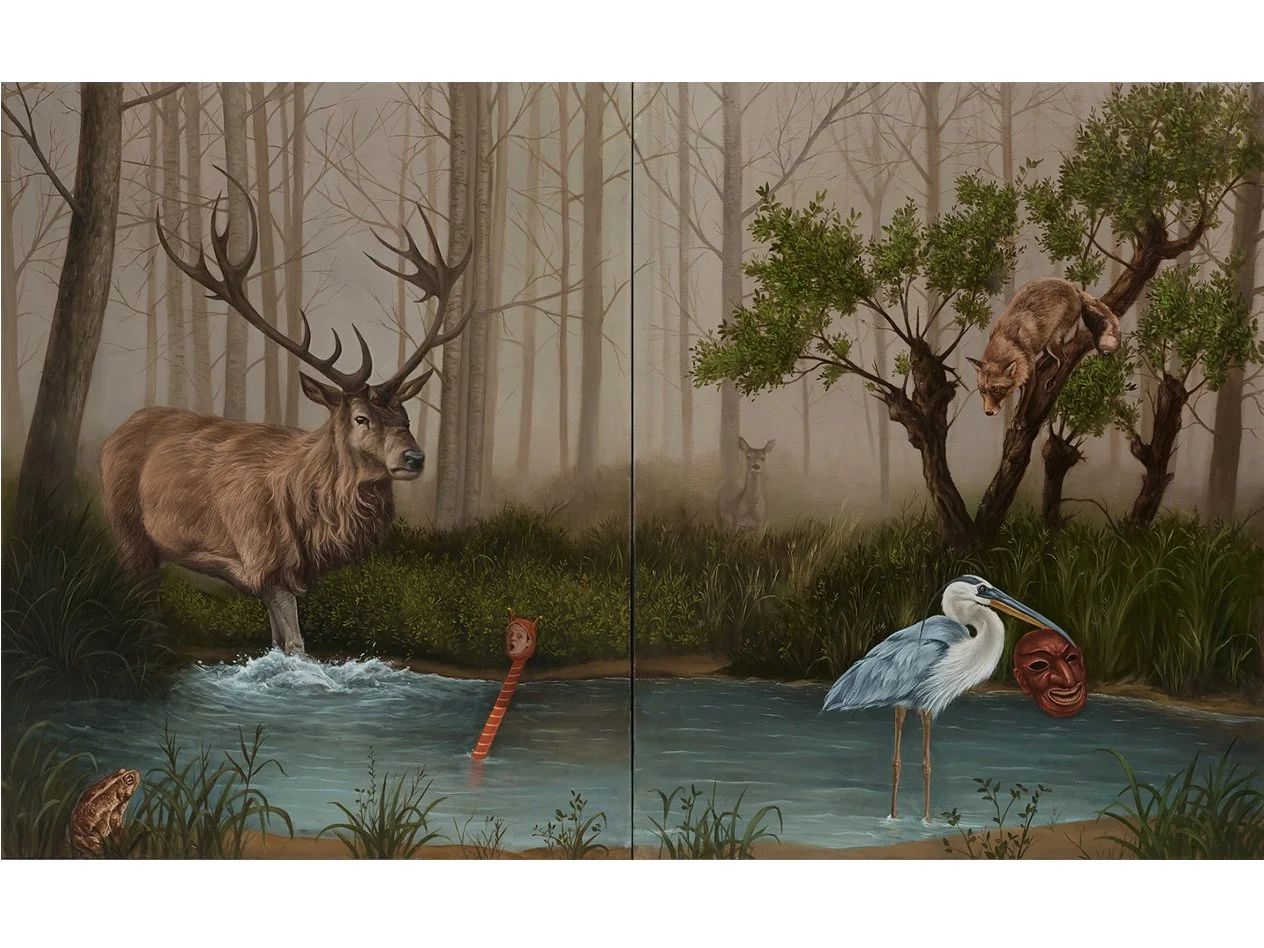
2025
oil on canvas
100 x 162 cm
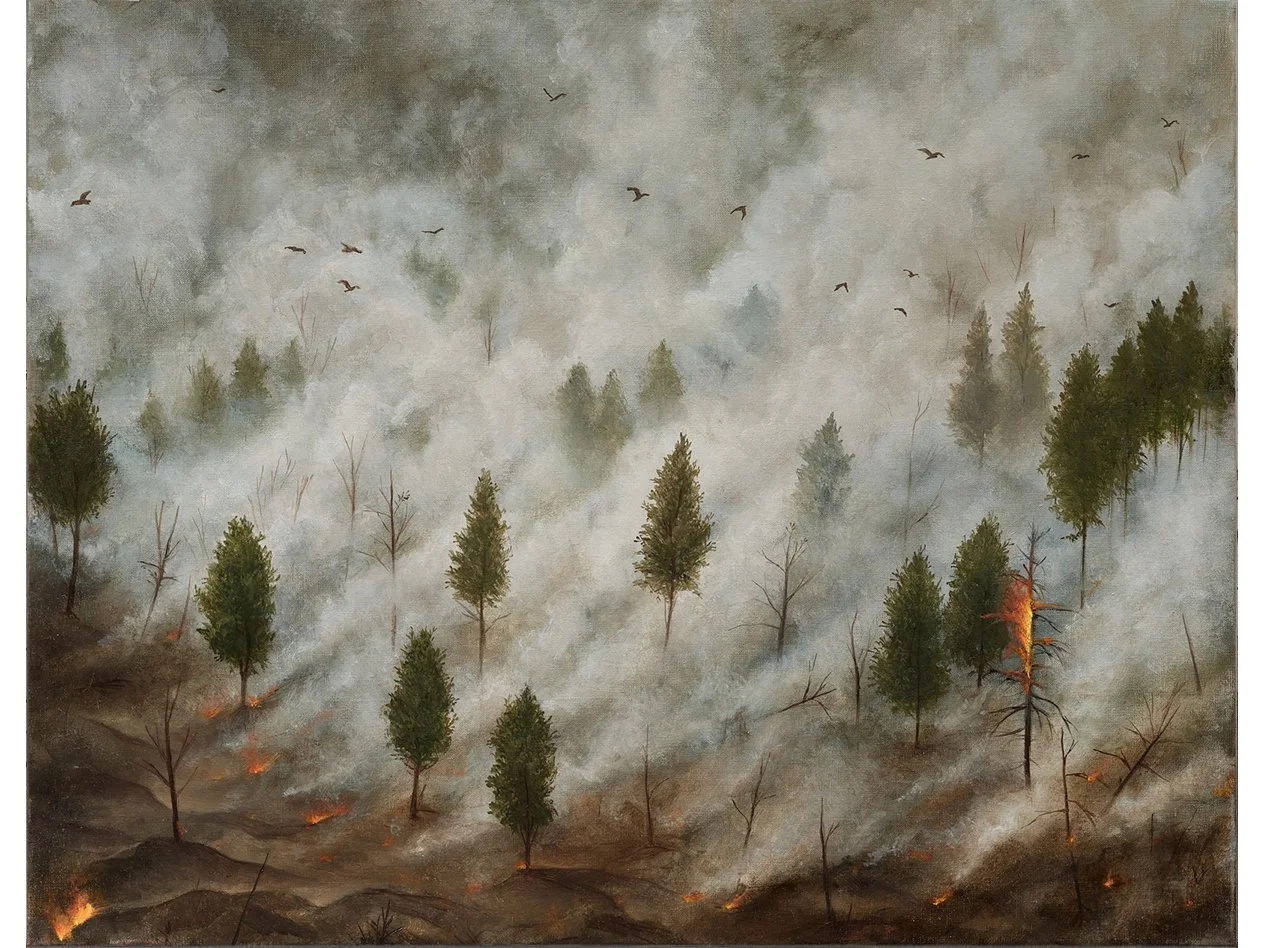
2025
oil on canvas
55 x 70 cm
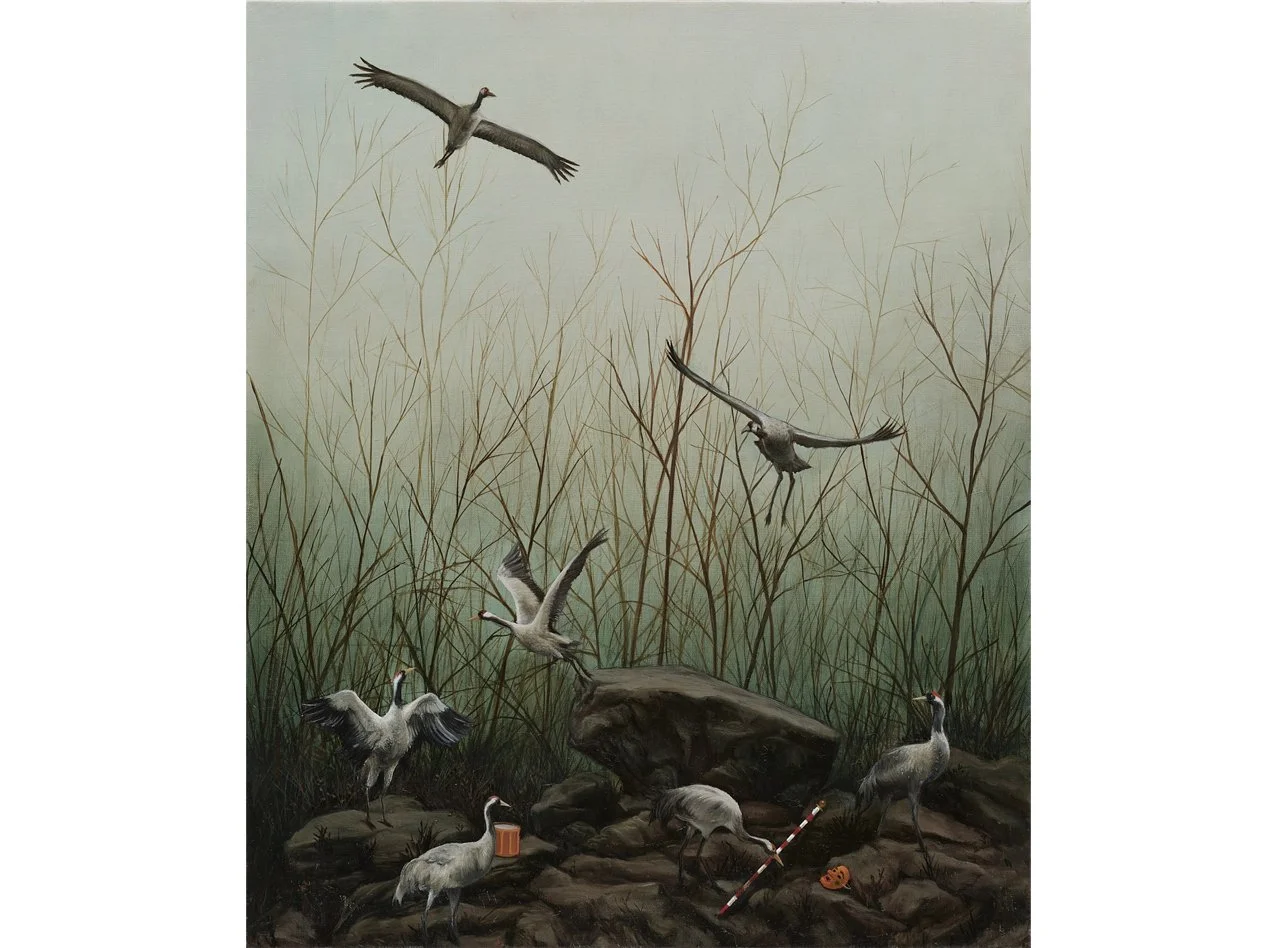
2025
oil on canvas
60 x 50 cm
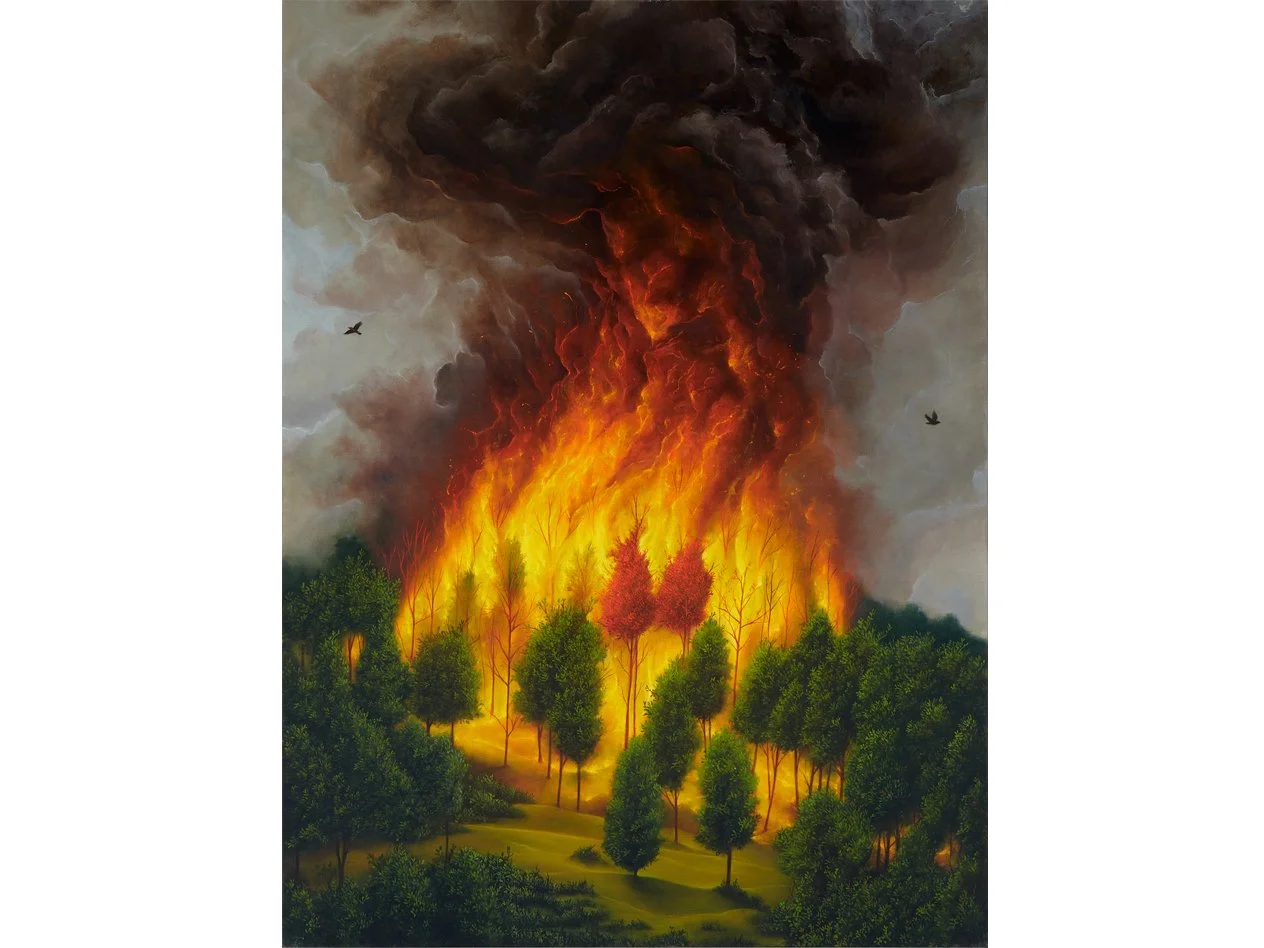
2025
oil on canvas
130 x 97 cm
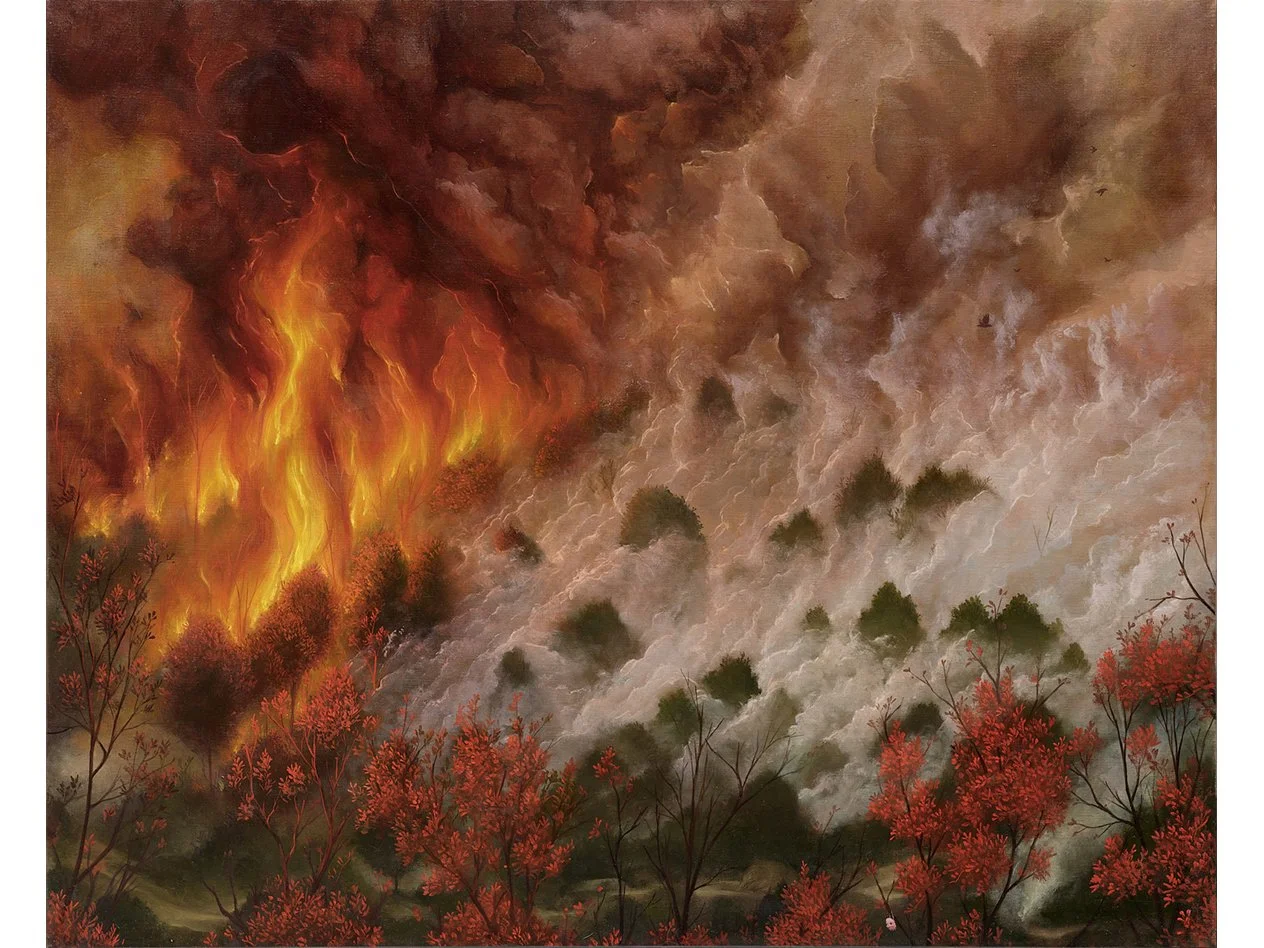
2025
oil on canvas
81 x 100 cm
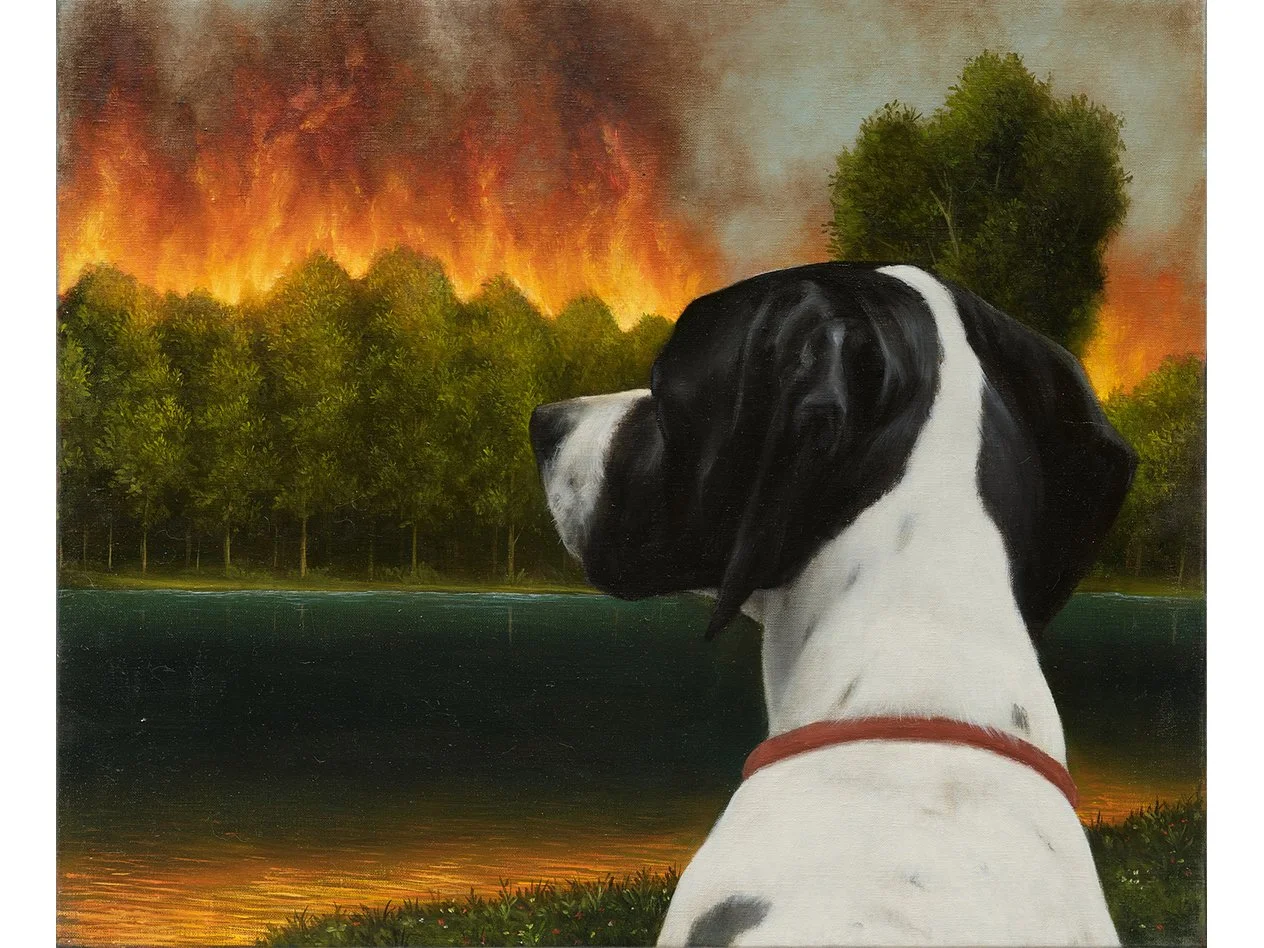
2025
oil on canvas
50 x 60 cm
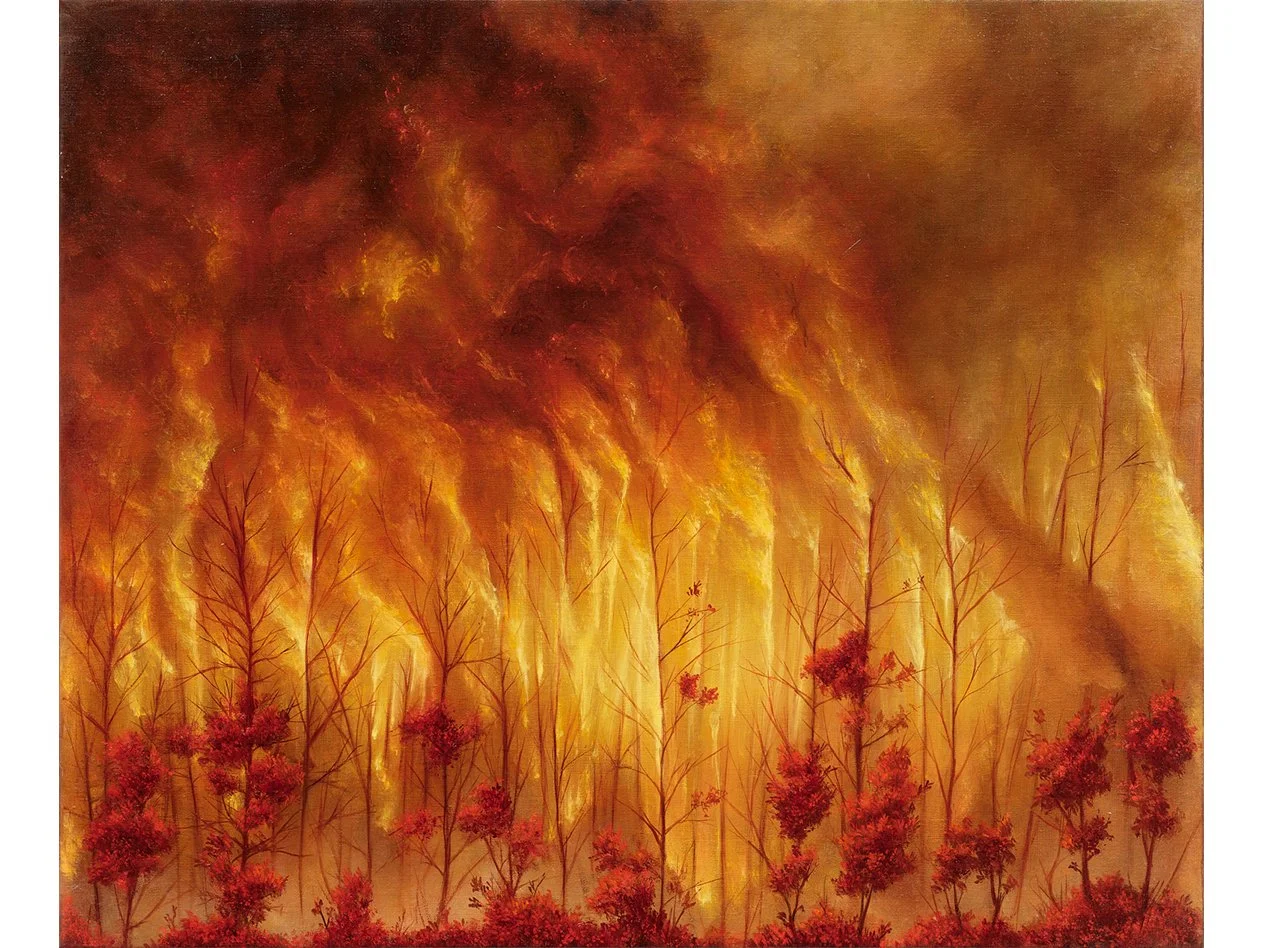
2025
oil on canvas
50 x 60 cm

2025
oil on canvas
55 x 70 cm

2025
oil on canvas
70 x 55 cm

2025
oil on canvas
97 x 130 cm

2025
oil on canvas
81 x 100 cm

2025
oil on canvas
97 x 130 cm

2024
oil on canvas
55 x 70 cm

2024
oil on canvas
130 x 162 cm

2024
oil on canvas
130 x 162 cm

2024
oil on canvas
130 x 162 cm

2024
oil on canvas
160 x 200 cm

2024
oil on canvas
162 x 130 cm

2024
oil on canvas
130 x 162 cm

2024
oil on canvas
160 x 200 cm

2024
oil on canvas
130 x 162 cm

2024
oil on canvas
130 x 162 cm

2024
oil on canvas
130 x 162 cm

2024
oil on canvas
130 x 162 cm

2024
oil on canvas
130 x 162 cm

2024
oil on canvas
160 x 200 cm

2024
oil on canvas
90 x 130 cm

2024
oil on canvas
162 x 130 cm

2024
oil on canvas
50 x 60 cm

2024
oil on canvas
50 x 60 cm

2024
oil on canvas
65 x 81 cm

2024
oil on canvas
55 x 75 cm

2024
oil on canvas
81 x 100 cm

2024
oil on canvas
130 x 162 cm

2023
oil on canvas
70 x 55 cm

2023
oil on canvas
115 x 130 cm

2023
oil on canvas
70 x 90 cm

2023
oil on canvas
97 x 130 cm

2023
oil on canvas
40 x 60 cm

2023
oil on canvas
130 x 117 cm

2023
oil on canvas
130 x 162 cm

2023
oil on canvas
130 x 162 cm

2023
oil on canvas
162 x 130 cm

2023
oil on canvas
162 x 130 cm

2023
oil on canvas
162 x 130 cm

2023
oil on canvas
130 x 162 cm

2022
oil on wood
40 x 30 cm

2023
oil on canvas
130 x 162 cm

2023
oil on canvas
130 x 162 cm

2023
oil on canvas
130 x 162 cm

2023
oil on canvas
50 x 60 cm

2023
oil on canvas
130 x 162 cm

2023
oil on canvas
130 x 162 cm

2022
oil on canvas
97 x 130 cm

2022
oil on canvas
150 x 150 cm

2022
oil on canvas
130 x 162 cm

2022
oil on canvas
130 x 162 cm

2022
oil on canvas
40 x 50 cm

2022
oil on canvas
55 x 75 cm

2022
oil on canvas
50 x 60 cm

2022
oil on canvas
45 x 61 cm

2022
oil on canvas
100 x 81 cm

2022
oil on canvas
130 x 162 cm

2021
oil on canvas
130 x 97 cm

2021
oil on canvas
130 x 162 cm

2021
oil on canvas
81 x 100 cm

2021
oil on canvas
130 x 162 cm

2021
oil on canvas
55 x 70 cm

2021
oil on canvas
130 x 162 cm

2021
oil on canvas
130 x 97 cm

2021
oil on canvas
130 x 162 cm

2021
oil on canvas
55 x 70 cm

2020
oil on canvas
130 x 162 cm

2020
oil on canvas
81 x 100 cm

2020
oil on canvas
73 x 92 cm

2020
oil on canvas
100 x 81 cm

2020
oil on canvas
130 x 190 cm

2020
oil on canvas
55 x 70 cm

2020
oil on canvas
50 x 60 cm

2020
oil on canvas
97 x 130 cm

2020
oil on canvas
46 x 65 cm

2020
oil on canvas
70 x 90 cm

2020
oil on canvas
55 x 70 cm

2020
oil on canvas
40 x 50 cm

2020
oil on canvas
100 x 100 cm

2020
oil on canvas
97 x 130 cm

2020
oil on canvas
60 x 92 cm

2020
oil on wood
40 x 55 cm

2020
oil on wood
40 x 55 cm

2020
oil on wood
40 x 50 cm

2020
oil on wood
30 x 40 cm

2020
oil on canevas
46 x 55 cm

2020
oil on canvas
70 x 55 cm

2020
oil on canvas
70 x 55 cm